Sunday, February 5, 2012

Everglades Re-visited 3 ……Anhinga Nature Trail on Boardwalks

The area named Everglades National Park of the Everglades wetland landmass situated towards the south of Florida is different to the Big Cypress National Park which is situated more centrally in the glades. It’s a total preservation unlike the Big Cypress while no ownership of property is entertained and the only overnight stayers are the recreational campers.

The flora is of a secondary nature and the water bodies are more stagnant being the immediate area draining to the gulf of Mexico. The land is more of open expanses allowing much bird life to be seen.

DSC_0137
The water bodies are more stagnant
DSC_0105
The water bodies here are more in the open attracting sunlight allowing water-lilies to grow.
DSC_0102
Sunlight contribute to much flowering foliage
DSC_0153
Secondary growth after having harvested the rich timbers.
This is a much visited location and the immense bird life and the alligators are accustomed to the visitor and could be approached to almost touching distance……this said, it is better to keep to a distance with the gators unlike with the bird life.

The vulture population both the black and the turkey head are found in abundance as a result of the larger visitor numbers; the  food in the picnic areas attracts them to these localities .

The facilities for the visitor is more in this part of the glades and the board walks that take you on the Anhinga Nature Trail above the marsh is unique. Thus named for the abundance of the Anhinga; a water bird with a snaky neck that frequent the water body above which the boardwalks take you as close as touching distance to them.
  
DSC_0103
Board-walks ...part timber and part fiber made to look like timber 
DSC_0066
Soft-shelled Turtle feeding on pumpkin ..It was Halloween time and pumpkin was seen everywhere
DSC_0234
The Great Blue Heron was at touching distance three feet away from the board walk. It was seen in the same location when returning after one and a half hours walking. Visitors respect the habitat and the fauna........ thus is the healthy coexistence
DSC_0078
Not disturbed.....it's not disturbed
DSC_0088
The Great Egret on the Opposite Bank
DSC_0095
Anhinga fishing before night fall. The Anhinga sinks bodily when it swims leaving the snaky neck and head above water
DSC_0092
Details of the Great Blue Heron
DSC_0118
The Tri-Coloured Heron dancing to attract fish.......? 


The Alligator and the Crocodile of the Everglades was once hunted to almost extinction. The timely intervention of the authorities have brought back the Gator numbers to satisfactory levels though the Crocodile needs more time to be stable.


DSC_0129
Alligators are now stable
DSC_0110
Basking gators a common sight in the glades....note the bulky cheeks of the gator that facilitate a large mouth cavity for larger prey
DSC_0111
The inner hind palm of the gator
Two visits to the Everglades National Park was made with Hemamala, Naveen, Bhagya and our newcomer Mevan, our first grandson with the intention of camping that was never possible this time. with the marauding mosquitos that swarm into the car no sooner the door is opened. Alighting a vehicle is possible only against the wind when the swarm is  blown away. However this phenomena dies away with the winter winds from the Gulf of Mexico  setting in. bringing the favourable season for camping.

This tree is a special.....

DSC_0107 copy
Intended to camp but thought otherwise due to the swarms of mosquitoes 
DSC_0165
Many visit the Anhinga trail on the boards for leisure
DSC_0141
The beautiful back feather pattern of the Anhinga

DSC_0143
Anhinga gather across the water to roost for the night
DSC_0181
The take-off of the Anhinga.
The southern most part of the Everglades locates the large expanse named the Flamingo Campsite; over looking the sea and much is the bird life around the jetties and camping ground.

Our urge to camp needed other favourable country. This was fulfilled with a trip to the Smoky Mountains in the Appalachian Range.

The Black Vulture

DSC_0055
The Turkey Vulture
Both Black and Turkey vulture species are the avian scavengers of the Everglades;  natures way to keep a healthy habitat. The Turkey Vulture is more efficient in locating prey by smell. Once located the Black Vulture takes advantage,.... for it being a more aggressive bird, would chase away the Turkey Vulture and take possession of the prey. 

CSC_0166
Of the 350+ birds located in the Everglades over 200 are migrants.
DSC_0065
Ducks, Moorhens and Teal are visiting migrants in the Everglades

DSC_0091
The Osprey which is a rare migrant to Sri Lanka is abundant at the Flamingo campsite.

DSC_0094
Turkey Vulture pestering the Osprey to abandon its prey.


DSC_0101
The White Ibis is in control of the Flamingo campsite in the off-season

DSC_0137
Startled ....the Ibis take flight..only to settle in a different location. The grass is yet to be mowed for the campers, until then the insects in the tall grass is food for the Ibis.
 
DSC_0148
Red-shouldered Kite taken possession of a Barbecue grill -box in the absence of campers
 
DSC_0159
This Laughing Gull will have plenty food with the camping season arriving soon.
The Everglades that was to be drained out for development is now to be put back to its original status that was to be before the year 1882. Whether this is a possibility is only a wait and see. Nevertheless it could be now said the glades will not be exploited for further development being named as three world sites. It’s an International Biosphere Reserve, a World Heritage Site, and a Wetland of International Importance. Much is the focus of the world  community towards the Everglades. Likewise  much are the eyes focused on you when in the Everglades; the fauna that got a new lease of life is watching you in hiding…with thanksgiving.

Sunday, January 22, 2012

Everglades Re-visited 2 ……Big Cypress National Park

My visit to the USA in 2009 was never a dream come true. It was only because Naveen our son, having won a scholarship to read a PhD at Miami in 2006 and us qualifying for a Visa being able to meet the minimum financial requisites.

Camping in the Everglades  of Florida, the worlds  largest mangrove ecosystem was such a memorable event back in 2009.http://udithawijesena.blogspot.com/2011/08/camping-in-everglades-hemamala-uditha.html A speck of the Everglades seen, but the perspective in memory being so large given the size of the Everglades. Back home after a month's stay in Florida with a secreted wish to explore the Western Everglades if a chance was to come by.
 
Come 2011 we are blessed with our fist grand child and my wish to re-visit the Everglades was fulfilled. Though equipped with imaging paraphernalia and optical instruments this time, camping was not possible with the marauding swamps of mosquitoes. The winds from the south that push them away had not reached Florida yet. Instead we stayed over at Naples a town in the west coast of Everglades favoured by retirees visiting the Big Cypress National Park in the Everglades.  Big cypress National Park and two other visits to the Everglades National Park located more to the south where the famous Long Pine and the Flamingo camping sites and the Anhinga Nature Trail on board walks are located was mainly for birding and photography.
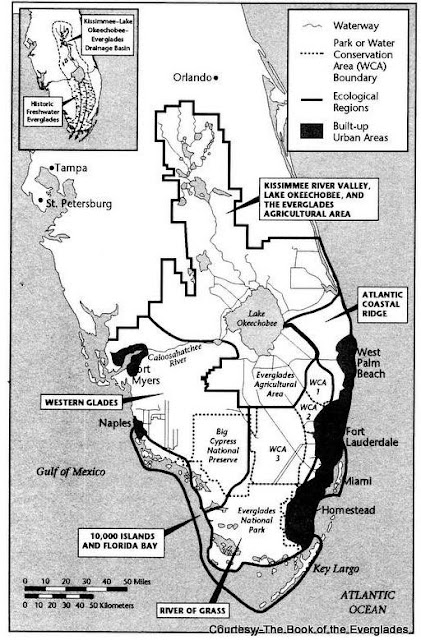
 

Big Cypress located slightly above the other western Everglades is home to native Miccosukee and Seminole tribes, who lived off the fauna and flora of the glades supplying  heron and egret feathers to hat-makers in New York and Paris are now facilitators to the hunters and visitors that come over for recreation.

Big Cypress differs from the Everglades National Park as the Miccosukee and Seminole people have permanent rights to occupy and use the land. Them, and the seasonal hunters are permitted to use off road vehicles [ORV] and Air Boats that glide over the saw grass swamps, while home and business owners have been permitted to keep their properties. The hunters here are so strong and puissant that them with conservationists and the natives were successful in deprecating a new airport facility within the Big Cypress area for international flights even after a runway was constructed. Justification being that the hunters put in more revenue towards conservation of the glades by hunting the deer for recreation in the glades seasonally.
 
DSC_0980 copy
Air Boat that glides over the grasses
Yes…. the Americans are different. Today the natives provide lodging and conveyance facilities for the visiting hunter.Big cypress though touted as a "recreational paradise" by the Department of the Interior, the scientists and conservationists have noted the need to reduce the ORV trails by 700 km due to the adverse affect on the fauna and flora by over visiting and exploitation. This is despite to the persistent calls for more in roads from the hunters and ORV enthusiasts.

Clyde Butcher the renowned photographer who showed the world the  Everglades in Black and White  has  home and gallery in the Big Cypress. 

DSC_0962 copy
Clyde Butcher Gallery - [inset] Clyde Butcher in conventional photography
Flora & Fauna of Big Cypress
 
Big Cypress is home for the Cotton-mouth snakes, Eastern Diamond-back rattler, Alligators, White-tailed deer , the very elusive Florida Panther,  Florida Black Bear, Wood stork and various other Florida birds. Mangrove forests, cypress trees, royal palm, cigar orchids, pines and prairie grasses are some of the vegetation types found in the preserve.

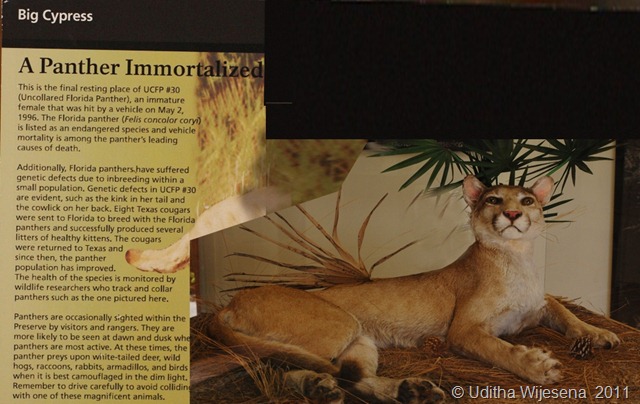
The Florida Panther is the most sought after creature in the Everglades and it is sad to say that most  seen are road kills. This specimen is one such, from an accident in May 1996. And is now displayed at the Big Cypress visitor centre. The link explains the fate of the Florida Panther.
 
DSC_0941 copy 2
The final resting place for this female, a showcase for the masses; otherwise a most illusive species ,
The most venomous Cotton mouth snakes are much in the grass, one needs to be careful when trekking. Many are the snakes in the glades while the Burmese Python population that has procreated off six zoo escapees during a hurricane  is a major threat to the small mammal and deer populations and are now shot on sight.

DSC_0919  copy
Cotton-mouth so called as it's inner lining of the mouth resemble cotton and is white in color

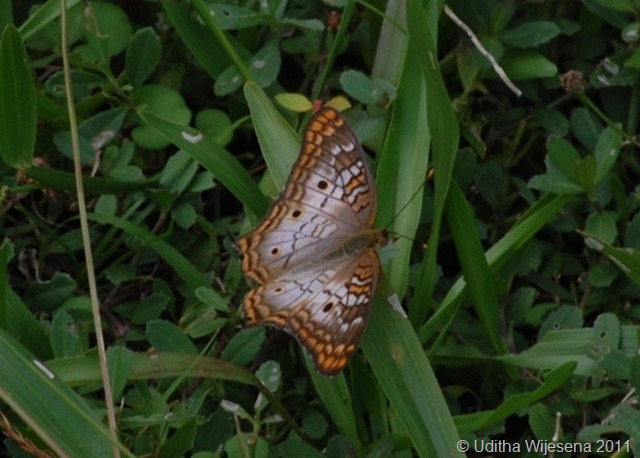
Numerous are the butterfly fauna that breed in the glades.

DSC_0896
Larvae that consume substantial amounts of leaf matter
DSC_0972
Finally the Butterfly
The Eastern Lubber [Orange and Yellow] is a grasshopper that is quite large
.
DSC_0927
A Yellow and Orange Lubber grasshopper
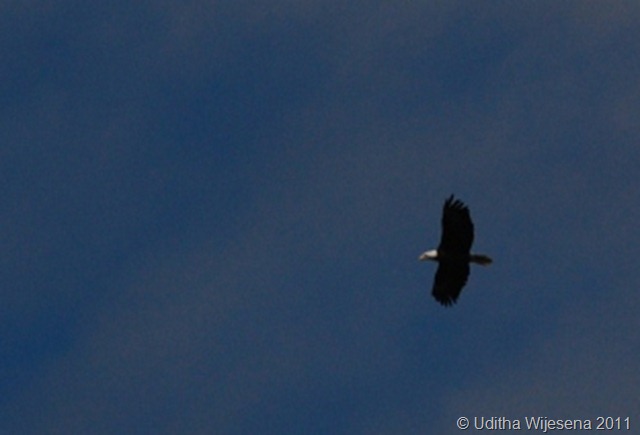
The Bald-eagle has a large territory. This particular Eagle nests’ in the Big Cypress National Park
.
DSC_0934
DSC_0182
Exceptional diversity of avian fauna in the Everglades

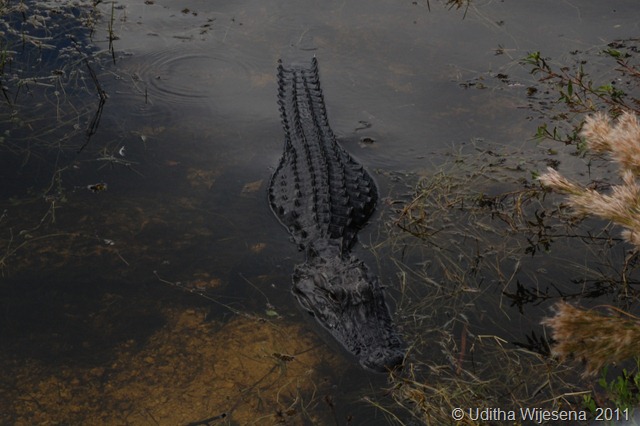
Alligators are a galore…….thanks to a conservation aimed ban on shooting they have developed in numbers from almost extinct.
DSC_0948
They come in all sizes
DSC_0954
Its only the tip of the iceberg
Though waterlogged the flora is pleasing and artistically formed.

DSC_0888
Flowering grasses floating grasses- numerous are the color hues
DSC_0925
Water is pure and clean
DSC_0900
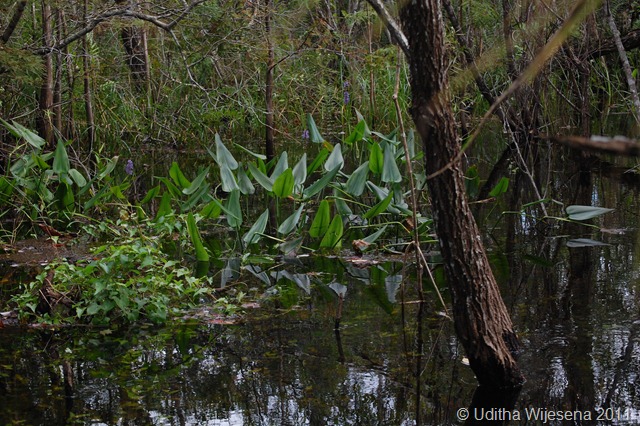
Water-logged and trapped in the vegetation the volume of water is so large that the flow is hardly recognized
DSC_0970
Cypress in the water
DSC_0893
Dirt tracks for the ORV that chunk the Everglades threatening the fauna
Naples the stay over city in the West Everglades

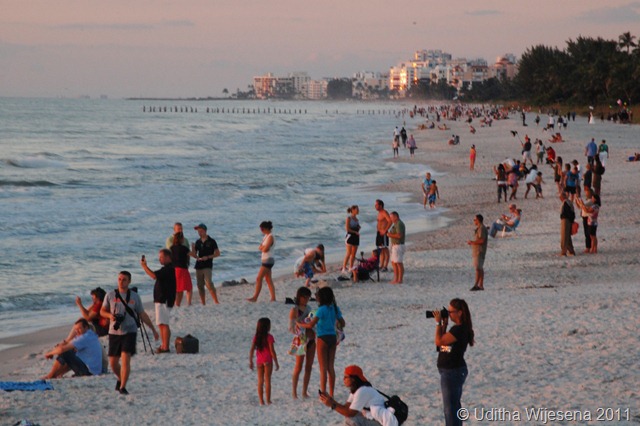
Naples in the Southwest coat of Florida -- nestled on the sun drenched beaches of the Gulf of Mexico is a main up market stay over location for the visitor. Naples is known for world class shopping, dining and  is also, is only steps away from the untamed tropical wilderness of  Everglades. Boasting one of the nation's best sandboxes and calmest seas, Naples makes a splash with water lovers and recreationists. 
DSC_0824
A beach for leisure and recreation
DSC_0838

DSC_0860

DSC_0840
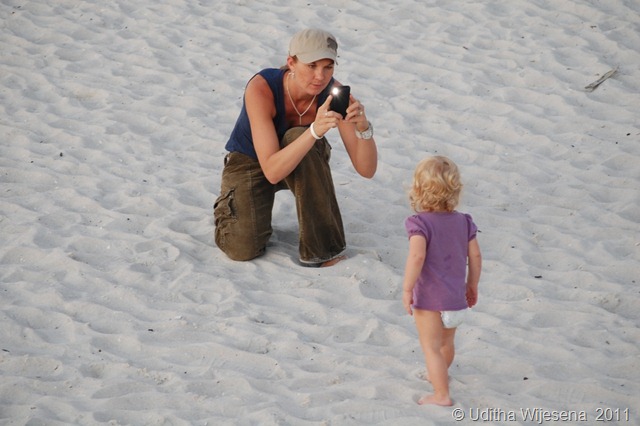
Toddlers, parents and grandparents they all come here to enjoy and relax
DSC_0821 copy
Setting sun over the Naples' jetty
DSC_0842
Sun going down in the Gulf of Mexico
DSC_0854
Solitude
DSC_0846
A loner

Sunday, January 1, 2012

When the Kids host you in the New Year

Love and affection keep us united and attached to one another. Culture and society have dedicated days, norms, means and ways of communicating  love and affection. The  beginning of the Gregorian Calender is one such day. 

Twenty years ago our neighbours migrated to the UK, Sankalpa their daughter who was my daughter's play kid is now a lady of 25 and is here on holiday. Bright eyed, playful, slightly mischievous says; today is the last day of the year and I am hosting both uncle, aunty and Hiru [our daughter] for lunch and before that we would go out swimming at Wellamadama [now known as the famous Unawatuna beach in Galle]. We have no choice but to agree......but I put in a condition, we need to be on the beach before the crowd set in. She too had a condition; the sea-bath is not to be discussed with her mother in the UK. The horoscope needs her to be away of water bodies and people.....recommends a cave dweller?

Panoramic view of Unwatuna Beach
In to our swimming shorts and we leave for the beach with toasted sandwiches and a bottle of coke; the phone rings and strangely it's a call from the UK. Siriya the cook-maid suspected her dress and not being home for lunch passed the news to the UK. What a small world we live in where everyone has access to technology. Persuasions, excuses, warnings, be careful s and we are in the water; cool beneath warm above and soothing. Most of all Hemamala too is in the sea, after four years. Yes... this being a special hosting. Two hours of splashing I try to recollect what it would have looked over here on 31st December 2004, five days after the boxing-day Tsunami that devastated much of Asia's sea front. Today the crowds pour in to make fun and enjoy the sun and splash,... the unplanned tourist infrastructure that came up after the Tsunami is getting ready to host the booze and dance parties that will rock this place tonight till dawn on the first day of  2012. Again, what a forgetful world we live in.


Cool & Refreshing
By mid day the place gets crowded and we decide it's enough.  We amble along the crowd; strangely though much of the local crowd being Moors with the weaker sex also in the water clad in their obligatory  black burqa, abayat, niqab and black socks coming in all sizes and shapes basking in the sun resembling beached whales. I salute the masculine gender that allowed them so, among the ample flesh that was exposed  for tanning. Pity that Afghanistan lacks a sea front.

Cruise Ship outside Galle Harbour

Home for a freshwater bath and we are seated in a modern day restaurant munching fried chicken and chips.

By evening I invite her to ours for  dinner;  roast chicken imported for Christmas now going half rate as the expiry day is nearing is sumptuous with a Sri Lankan style potato curry with tortilla bread, coconut sambol and roasted pork chop chased down with ale and coffee brings us to the shift in the clock. It's the Year 2012.

That was a memorable and a naughty way to complete a year. Lucky for we have another new-year dawning in April; the Sinhala & Tamil New Year which is celebrated with much grandeur, tradition and culture.